Profile
Bill Gates: From software scale to systems change
The Microsoft co-founder’s work shows how technical insight can evolve into a broader approach to global problem-solving.
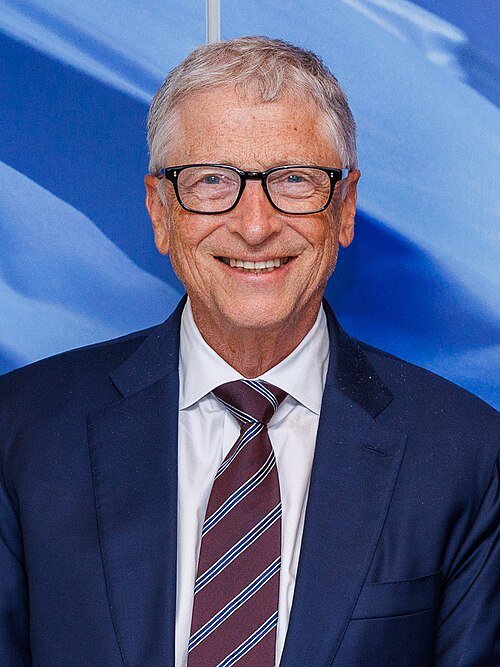
Quick facts
- Born / age
- October 28, 1955, Seattle, Washington · 70
- Parents
- William H. Gates Sr. and Mary Maxwell Gates
- Education
- Lakeside School; Harvard University (did not graduate)
- Companies & ventures
- Microsoft, Gates Foundation, Gates Ventures, Breakthrough Energy
Gates’s career links the personal-computing era with a later focus on public health, climate innovation and equity.
Early life and education
William Henry Gates III was born on October 28, 1955, in Seattle. His father, William H. Gates Sr., was an attorney and civic leader; his mother, Mary Maxwell Gates, taught school and later served in significant community and corporate roles. Gates grew up with sisters Kristianne and Libby in a family that placed a high value on education, service and competitive curiosity.
At Lakeside School, Gates gained unusual early access to a computer terminal and began programming with Paul Allen and classmates. He enrolled at Harvard in 1973, where he continued developing software ideas. He left before graduating to build Microsoft with Allen during the rise of the personal-computer industry.
Companies, holdings and ventures
Gates co-founded Microsoft in 1975 and led it through the period when personal-computer software became a mainstream business. He gradually left day-to-day company management and shifted his full-time attention to the Gates Foundation in 2008.
As chair of the Gates Foundation, he helps set strategy for global health and equity work. Gates Ventures supports work in health, climate, education and technology, while Breakthrough Energy supports climate-focused entrepreneurs and clean-technology ideas. Gates is associated with many investments, but his current work is best understood as building platforms for research, innovation and public-interest programs.
The software era
Bill Gates co-founded Microsoft with Paul Allen in 1975 and helped make software a central part of personal computing. Microsoft’s rise demonstrated the commercial power of building a platform that other people and companies could use to create their own work, products and institutions.
The important business insight was not only technical. Software can travel quickly when it is standardized, accessible and useful to a wide base of customers. That combination helped turn computing from a specialist activity into an everyday business tool.
A shift toward philanthropy
In 2008, Gates moved his full-time focus to the Gates Foundation. As chair, he helps guide the organization’s strategy across global health, development and equity. Through Gates Ventures and Breakthrough Energy, he also supports work connected to climate, energy, health and innovation.
This second chapter is notable because it applies business-style questions to public challenges: Where are the bottlenecks? Which tools can scale? How can funding encourage innovation without losing sight of results?
The leadership takeaway
Gates’s story is a reminder that influence can change form across a career. Building a company and supporting systemic progress call for different methods, but both benefit from curiosity, measurement and a willingness to fund solutions before their outcomes are certain.