Profile
Jane Fraser: Modernizing a global bank
Citi’s chair and CEO is leading a multiyear effort to simplify, modernize and sharpen the institution’s global focus.
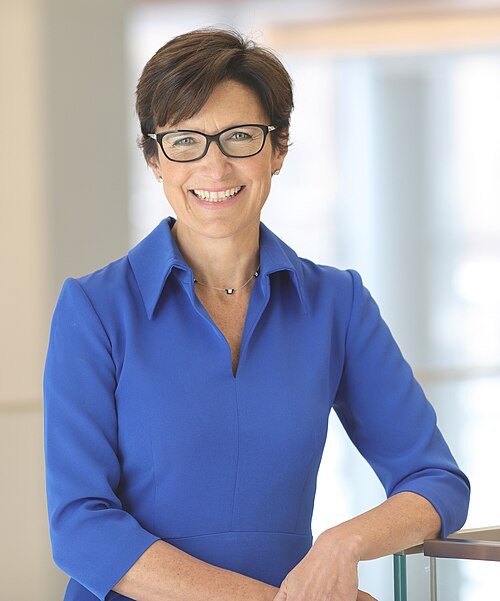
Quick facts
- Born / age
- Born in 1967, Scotland · 59
- Parents
- Names are not broadly disclosed in standard public biographies
- Education
- University of Cambridge; Harvard Business School
- Companies & ventures
- Citigroup; prior roles at McKinsey, Goldman Sachs and Asesores Bursátiles
Fraser’s leadership combines deep experience across Citi’s consumer and institutional businesses with a mandate for transformation.
Early life and education
Jane Fraser was born in Scotland in 1967 and grew up in the country’s east. She has spoken publicly about a career shaped by international experience, but standard Citi biographies do not publish the names of her parents or an exact birth date. A useful biography separates relevant public facts from personal details that an executive has chosen not to disclose.
Fraser studied economics at the University of Cambridge and later earned an MBA from Harvard Business School. Her early career included Goldman Sachs in London and Asesores Bursátiles in Madrid before she became a partner at McKinsey & Company. The path gave her experience in finance, consulting and cross-border business before Citi.
Companies, holdings and ventures
Fraser is a career executive rather than a founder who owns a portfolio of companies. She joined Citi in 2004 and rose through roles in strategy, mergers and acquisitions, private banking, consumer and commercial banking, Latin America and global consumer banking. She became Citi CEO in 2021 and Chair of the Board in 2025.
Her professional story is therefore best understood through the institutions she has helped lead: Goldman Sachs, McKinsey and Citigroup. The current business focus is transformation of a global bank, not personal ownership of operating companies.
A global view of banking
Jane Fraser is Chair of the Board and Chief Executive Officer of Citi, a bank serving clients across more than 180 countries and jurisdictions. Her career at Citi has included leadership roles in private banking, consumer banking, Latin America, strategy and mergers and acquisitions.
That background matters because large banks do not operate as a single business. They are networks of clients, products, systems, geographies and risk controls. Effective leadership depends on understanding how those pieces connect.
The transformation mandate
Since becoming CEO in 2021, Fraser has focused Citi on a multiyear strategy to simplify and modernize for the digital age. The goal is not change for its own sake. It is to help the organization direct resources toward businesses where its international network, institutional relationships and wealth capabilities are differentiated.
In 2025, she also became chair of Citi’s board. The combination places a premium on clear priorities, governance and execution.
Why her approach is watched
Fraser’s work is a useful example of leadership inside an established institution. Transformation at this scale is rarely about one dramatic announcement. It is a long series of decisions about technology, talent, risk and the customers a company is best positioned to serve.